

Category

Kids Dentistry

Candy, Chocolate, Cookies and Santa Claus: Keeping Your Kids Teeth Healthy

Candy, Chocolate, Cookies and Santa Claus: Keeping Your Kids Teeth Healthy

Candy, Chocolate, Cookies and Santa Claus: Keeping Your Kids Teeth Healthy

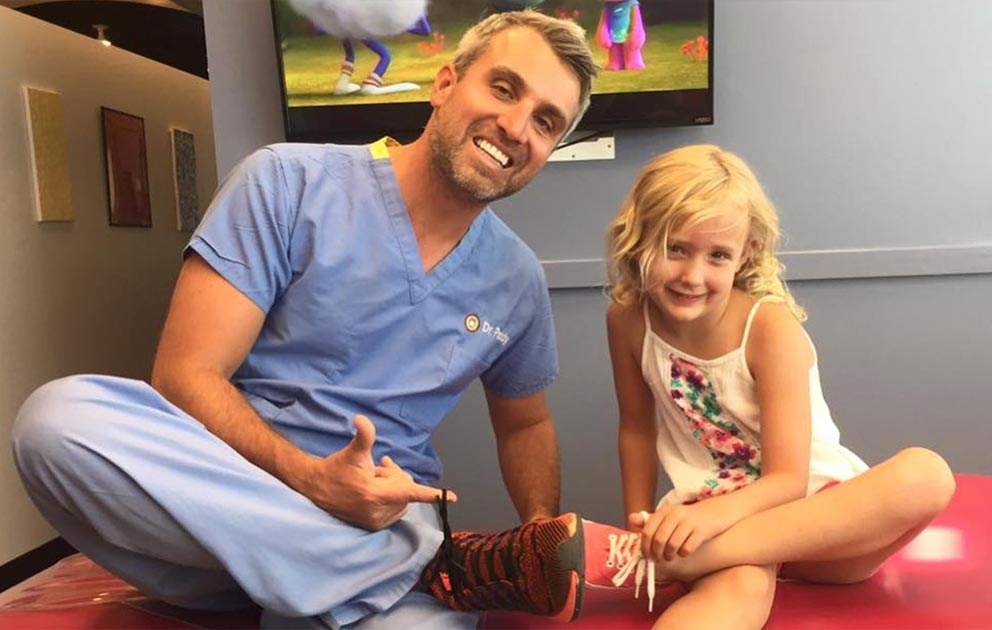
Hanukkah is underway, Christmas is fast approaching and before you know it, we’ll be ringing in 2018. This time of year means twinkling lights, candles aglow, festive tunes, gifts, enjoying the company of loved ones and a general feeling of goodwill but it also means sugar, sugar and more sugar! There’s nothing the mouth monsters love more than holiday sweets. Dr. Paddy and the Kids Mile High team are all well aware that patients aren’t going to follow up a night of caroling with hot carrot juice instead of hot chocolate and we wouldn’t expect little ones to give up all of their favorite treats. However, a few small tweaks can really go a long way in preventing cavities. Here are our tips for parents on how to keep your kids teeth healthy during the holidays.

Book Your Free Consultation Today!

  1. Pay Special Attention to Brushing and Flossing: So, you got home late from a family gathering. It would be so easy to let the kiddos skip their oral hygiene routine for the night and fall into bed. Try your very best to avoid this and spend the few extra minutes making sure their teeth are brushed and flossed. As always, have your kids brush twice a day (once in the morning and once at bedtime) with a fluoride toothpaste and floss at night. You may even want to follow up with a cavity-fighting mouthwash. If you’re unsure of what to use, ask us, and we’ll point you in the right direction. During the holidays, if your kids are really getting down with the sweets, it’s a good idea to throw in an extra brushing session or at least have them rinse their mouth out really well with water after eating or drinking something high in sugar.
  2. Moderation is Key: We know it’s easier said than done but sticking with a balanced, nutritious diet during all of the celebrations is important. Munching on desserts and sipping on sweet drinks is best done in moderation. Plus, it will make them taste all that much better knowing it’s a special occasion. Limiting treats at the holidays for kids really starts at home. Keep your own pantry stocked with healthy essentials and let them get their treat fix when you’re out and about so that it’s not a continuous cycle of sugar. If there’s a particularly sugar-fueled event on the calendar, it could be helpful to be extra careful about what your kids eat leading up to it.
  3. Don’t Eat or Drink too Slowly: There are a lot of benefits of eating slowly and savoring your meals but when it comes to kids and candy, soda and all of the big cavity offenders, slow isn’t better. The bacteria in the mouth feed on sugars and starches and as they do, they release acids that mix with spit and food debris and form plaque. When it isn’t brushed away, the acids start to damage the enamel, eventually leading to cavities. After eating or drinking, the bad acids hang out for about a half hour and with each sip or bite, the clock starts over. So, slowly sipping on hot chocolate over the course of an hour or snacking on treats throughout the day just means little teeth are exposed to acids for much longer. Sugar here and there is fine but constantly bathing the teeth in it isn’t. Instead, make sure your kids are drinking sugary drinks or eating sugary snacks at a normal pace and in one sitting.
  4. Make Some Healthy Swaps Where You Can: Some of the worst holiday treats for your kids can easily receive a healthy makeover and still taste fantastic. Using fresh fruit in certain cakes, for example, can take the place of some of the refined sugar while offering a hint of sweetness. Making hot chocolate that’s heavy on the milk and lighter on the chocolate, will give teeth a boost of calcium and milk has been shown to decrease the acid levels in plaque.
  5. Give the Kids a Few Tooth-Friendly Holiday Gifts: Only putting dental floss and fresh vegetables under the tree probably won’t go over that well but that doesn’t mean a few gifts can’t be related to oral health. Sugarless gum with xylitol is excellent for killing sugar bugs and it’s the perfect stocking stuffer or small, add-on Hanukah gift. You can also try exceptionally tasty toothpaste along with an electric toothbrush for older kids or a super fun, colorful toothbrush for younger ones.
  6. Hydrate with Water: Water is up there on the list of things that teeth love. It keeps spit flowing and spit neutralizes those plaque acids. Plus, it gives teeth a bath, washing away food debris and bacteria. Have the kids drink water throughout the day and balance out any other beverages with a glass of H20. Fill up your water bottle before heading out to a party or a visit with Santa.
  7. Keep Up With Dental Exams and Cleanings: We know it gets really busy around the holidays and going to the dentist probably falls lower on the to-do list than say, eating a ton of Christmas cookies. However, your child’s checkups and cleanings are the cornerstones of their preventative care. We’re able to get rid of the hardened plaque that can’t be eliminated with brushing and flossing at home, make sure teeth and gums are in top-notch shape and, if problems do arise, we can catch them early while treatment is less invasive. Consider it your gift to your little one’s smile!

Keeping your child’s teeth healthy during Christmas, Hanukkah and New Year’s doesn’t have to turn into a seasonal full-time job. Just be mindful of their sugar intake and follow the same guidelines as you do the rest of the year. As long as your child is brushing and flossing, going for their regular checkups and cleanings and not eating an all candy cane diet, there’s no need to worry. If you have questions or concerns or want to start your child’s 2018 off with a bright smile under the care of a Denver pediatric dentist, contact us.

Happy holidays from Kids Mile High Pediatric Dentistry!
Do Baby Teeth Really Matter? Yes!

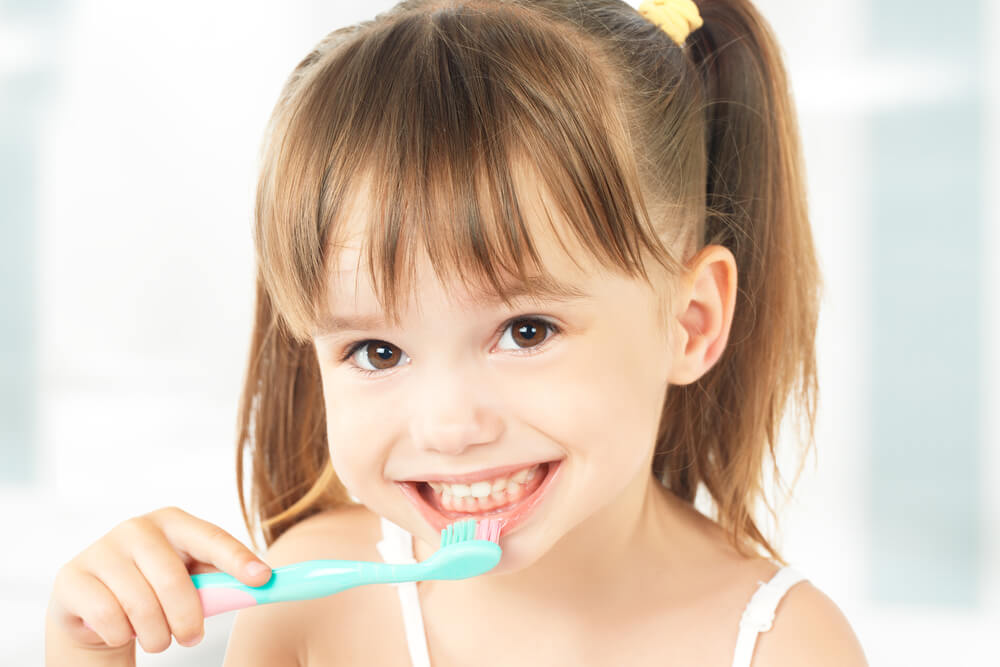
young girl caring for her oral hygiene

Do Baby Teeth Really Matter? Yes

After a lot of drooling, plenty of teething rings and usually some sleepless nights, your baby is sporting their first tiny pearly whites. It’s a momentous occasion! By age three, they’ll probably have a complete set. While adorable, your little one’s grin will go through more dramatic changes a few years later when they start to lose those heard-earned teeth. Given their fleeting nature, why do baby teeth matter? Aren’t they just going to fall out anyway? Well, they will eventually be replaced by the big, bad permanent teeth but in the meantime, they need to stick around until they’re ready to be added to the Tooth Fairy’s collection. While the importance of primary teeth is often underestimated, they serve a number of purposes and play a crucial role in your child’s oral health and development.

The Baby Teeth Basics

Primary teeth go by a variety of names, including baby teeth, deciduous teeth, temporary teeth and milk teeth. Whatever term suits your fancy, they’re actually already in your baby’s mouth at birth just waiting under the gums for their moment to make an entrance. The first tooth usually erupts around six months of age with the last typically coming in by three-years-old. The baby teeth then fall out, or shed, beginning at six or seven all the way through age 12. However, most people don’t have all 32 permanent chompers for quite some time. In fact, it can take up until you’re 21-years-old for it to happen.

Book Your Free Consultation Today!

The Functions of Primary Teeth

Now, on to the functions of baby teeth. Some of their roles include:

  • Saving Space and Encouraging Proper Development – Baby teeth act as placeholders and save room for the grown-up teeth to erupt correctly. They also facilitate proper jaw and muscle development and the development of facial features. If a baby tooth falls out early, the other teeth often shift to fill in the space, which can lead to misaligned permanent teeth and jaws and potentially the need for extensive orthodontic treatment or, in extreme cases, surgery and extractions. While a lot of kids may end up wearing braces or Invisalign Teen in their teenage years, the degree of misalignment and the complexity of their case will influence how complicated treatment is, as well as its duration and cost. Obviously, reducing the odds of serious orthodontic issues by keeping baby teeth healthy is preferable.
  • Allowing for Proper Chewing – Over time, kids learn to chew correctly, which encourages good nutrition and overall health. When a child has tooth decay, malformed teeth or pain, they’ll stick with the foods that are the easiest to eat, which limits their diet and increases the chances they’ll be underweight, malnourished or deficient in vitamins and minerals.
  • Aiding in Speech Development – Learning to talk is so crucial for your child’s cognitive and social development. The teeth play a part in our ability to speak clearly and produce certain sounds, particularly consonants. When the teeth are in the right place, we’re able to form sounds that rely on our tongue touching the top teeth, our teeth directing the flow of air or the tongue having enough room to do its thing. When kids lose their front teeth, they might temporarily have a lisp or make hissing sounds when talking but this goes away and they’ve already learned to speak correctly. If they’ve never had the chance to learn proper pronunciation, fixing the issue can be more difficult.
  • Boosting Self-Esteem – Having a healthy, beautiful smile gives children confidence and they’ll be less likely to be distracted by tooth discomfort or insecurities about their appearance, allowing them to focus on school, socialization and just being a kid.
  • Ensuring Long-Term Oral Health – Tooth decay can result in childhood gum disease, technically called periodontal disease. In early stages, gum disease can be treated and reversed. However, once it reaches the level of periodontitis, it can only be managed and not cured. Eventually, if not dealt with, gum disease causes the deterioration of the bone and tissues that hold the teeth in place, which can make them fall out.

Caring for Primary Teeth

Caring for baby teeth starts a few days after birth. Even though your infant isn’t eating solid food, the natural sugars in formula and breast milk can actually cause cavities. Simply wrap a wet washcloth or piece of gauze around your finger and use it to wipe down your child’s gums. If your water isn’t fluoridated or your little one won’t be drinking tap water, you should ask your pediatrician about fluoride supplements, which can usually be taken after six-months-old.

When your tot gets their first tooth, use a small, soft-bristled, infant-sized toothbrush and a smear of fluoride toothpaste to brush their teeth twice a day. As for flossing, once any two teeth are touching, help them floss once daily. For those ages two to five, brush their teeth in the morning and before bed for two minutes each time with a pea-sized dollop of fluoride toothpaste. You’ll need to help with brushing until they can do it effectively on their own. Once they have the skills to brush and floss, just be sure to monitor their oral hygiene routine until age seven or eight. Sealants and fluoride treatments can also be extremely beneficial for preventing cavities and a great way to bolster your efforts.

Aside from a stellar brushing and flossing routine, the most important thing you can do for your kiddo’s smile is see a dentist regularly for cleanings and checkups. The American Dental Association, American Academy of Pediatric Dentistry and the American Academy of Pediatrics all recommend children have their first dental visit six months after the first tooth erupts or no later than their first birthday. It’s always a good idea to find a pediatric dentist. They’ve had additional specialty training in the unique oral health needs of children and have expertise in behavioral techniques to make the process a lot easier on both kids and parents. Beyond keeping cavities and gum disease at bay, pediatric dentists can help you eliminate harmful oral habits like thumb sucking and point you in the right direction for a mouthguard to protect your child’s teeth during sports and activities.

When it comes to what foods can impact the health of baby teeth, sugary drinks like soda, sports drinks and fruit juice, as well as cookies, candy and other sweet treats are big tooth decay offenders. Limit things with added sugar and simple carbohydrates and, instead, opt for fresh vegetables and fruits, calcium-rich foods, whole milk for babies or low-fat milk for toddlers and school-aged kids, whole grains and lean protein. Water is the ideal beverage and never put your child to bed with a bottle even if it’s just milk. For even more pointers, check out our nutrition guide.

Now that you’re well-versed in baby teeth importance and how to care for them, set your child up for smile success by finding the right dental home. Do you live in the Denver area? Schedule an appointment at Kids Mile High Pediatric Dentistry and leave those primary teeth in the hands of a board-certified pediatric dentist in Englewood or Central Park. Our offices are super kid-friendly, fun and lively. In addition to making going to the dentist a positive experience, we’ll ensure their baby teeth are healthy and doing their job, so their permanent smile is a dazzling one.

Start Your Kid’s School Year Off With a Smile and Healthy Teeth

Start Your Kid’s School Year Off With a Smile and Healthy Teeth

Start Your Kid’s School Year Off With a Smile and Healthy Teeth

It’s hard to believe Kids Mile High patients are back in school kicking off another year of classes, activities, sports, and, of course, homework. What happened to those relaxing, warm summer days? With the hustle and bustle – okay, sometimes chaos –of getting to the bus stop on time, finding the groove in a jam-packed schedule and taming a flurry of papers, permission slips and books, it’s not surprising oral health routines can take a backseat. Well, we want to make sure kiddos maintain their membership in our Cavity-Free Club, which is why we’re sharing our tips for dental hygiene for kids when going back to school.

Continue Reading

Get to Know Your Denver Kids Dentist Better – 20 Questions for Dr. Paddy

young-girl-Get-to-Know-pediatric-dentist-denver-Kids-Dentist Better – 20 Questions for Dr. Paddy

Get to Know Your Denver Kids Dentist Better – 20 Questions for Dr. Paddy

At Kids Mile High Pediatric Dentistry, of course, we consider Dr. Paddy to be the coolest, best Englewood kids dentist and the kiddos that come into the office happen to think he’s pretty awesome too. One of the keys to getting children to love sitting in the dentist’s chair is finding a doc who makes things fun, engaging and educational, which describes Dr. Paddy perfectly. But, don’t just take our word for it. Check out his answers to our little game of 20 Questions and get to know your favorite Denver pediatric dentist a little better!

Continue Reading

Why Dental Hygiene is Extremely Important for Children With Special Needs

Why Dental Hygiene is Extremely Important for Children With Special Needs

Why Dental Hygiene is Extremely Important for Children With Special NeedsWhen Dr. Paddy was earning his degree to become a pediatric dentist, he also underwent advanced training to learn the ins and outs of dentistry for special needs patients. The additional education is necessary because there are challenges and considerations for children with certain developmental, emotional, physical, cognitive or medical conditions. While the truth is, all kids are unique, which is why we offer personalized care that takes into account their personalities and preferences, some young patients have dental anxiety, sensory likes and dislikes, medical issues and other factors that make visiting the dentist and even brushing and flossing difficult. We know that every case is different, however, based on our experience at Kids Mile High Pediatric Dentistry, there are some steps parents can take to help boost the dental health of kids with special needs.

Continue Reading

A Food & Nutrition Guide for Kids Healthy Teeth

Food and Nutrition Guide for Kids Healthy Teeth

Food and Nutrition Guide for Kids Healthy Teeth


At Kids Mile High Pediatric Dentistry, we spend a lot of time advising parents on how to keep their kiddos’ mouths happy and healthy. Much of that advice revolves around how often to brush and floss, how to put the kibosh on things like thumb sucking and pacifier use and which treats to enjoy in moderation to keep the sugar bugs at bay. While these are all important topics and nothing tops brushing and flossing as far as healthy habits to promote strong teeth in kids, nutrition shouldn’t be overlooked either. There are certain foods that are good for children’s teeth, particularly those rich in vitamins and minerals. Combining a balanced diet and excellent oral hygiene could help your child earn their place in the cavity-free club.

Continue Reading

Keeping Your Kids’ Teeth Healthy While Traveling

Dental care for travelling with kids

Mother and child using globe and magnifying glass while learning about travel, representing maintaining kids’ oral hygiene and healthy dental habits during trips

When Dr. Paddy isn’t hitting the slopes, making smiles sparkle as an Englewood pediatric dentist or teaching Bubbs, the office mascot, new tricks, he loves to travel. He’s all about encouraging his patients to see the country and the world too. Traveling is an awesome experience for kids. It gets them out of their comfort zone and really expands their horizons. However, with that, comes a break in routine, which often means daily habits like brushing and flossing fall to the wayside. If there’s anything you shouldn’t take a vacation from, it’s keeping your chompers clean. To help, Kids Mile High Pediatric Dentistry has compiled some excellent tips for maintaining good dental care for kids while traveling.

Oral Care Tips for Kids While Traveling

Make a Travel Dental Kit

Put together a bag that includes all of the dental health essentials including a toothbrush, your child’s favorite toothpaste, dental floss, mouthwash and any other oral hygiene products you typically use. Though most places will have supplies if you forget them, if you’re going off the grid on a camping trip or opting for international travel with kids, it doesn’t hurt to be prepared. You might also want to pack some sugar-free hard candy or sugarless gum (we’ll get to that in a minute). If you’ll be in a place where the water isn’t safe to drink, invest in some bottled water for brushing too since your kids, and yourself, are bound to swallow some while rinsing.

Get the Saliva Flowing

It might come as a surprise but if we’re talking about keeping good dental habits while traveling, spit is important. Saliva is a superhero for beating off those nasty tooth monsters that cause cavities. The bicarbonate, calcium and phosphate found in saliva actually neutralizes the plaque acids that lead to tooth decay. Plus, spit gives teeth a little bath and washes away food and debris. If you’re stuck in the car, or on a plane, or you’re out and about and your kiddos can’t brush after eating or drinking, have them chew on sugarless gum with xylitol in it, which kills sugar bugs, or suck on a sugar-free hard candy to increase their saliva production. Sipping water throughout the trip and rinsing really well also helps and may be the better option for younger kids who aren’t ready for gum.

Learn More About Oral Hygiene Here!

Bring Healthy Snacks

We’re not saying our patients should skip all treats while on vacation. However, enjoying everything in moderation, especially when it comes to sugar and foods that get stuck in the teeth easily, is your best bet. When you eat candy, desserts, soda, fruit juice, sports drinks, or even things like chips that get wedged in the teeth, and you don’t brush immediately, plaque forms, which eventually leads to cavities. If the kids do indulge, have them brush and floss after or, if that’s not possible, at least rinse with some water. Pack healthy snacks like fruit and yogurt that wash away easily and hydrate with water instead of juice boxes or soft drinks.

Brush on Potty Breaks

Bring travel toothbrushes for the kids and use your pit stops wisely. Whenever you take a break somewhere with a bathroom, have the kids run in and brush their teeth. Even if they just use water to brush, it will still dislodge food bits and help prevent plaque build-up.

Consider Travel Medical Insurance for International Trips

If you’re traveling internationally, you may want to look into travel medical insurance. It’s temporary insurance that covers medical or dental expenses that your domestic health insurance may not cover while you’re abroad. This is an awesome way to ensure a dental emergency doesn’t break the bank.

Cap the Day off With a Good Brushing and Flossing

We know, we know, you’re tired after a day in the airport or in the car and the kids are getting grumpy. Don’t let the little ones just fall into bed. Make sure when you reach your destination they clean their teeth thoroughly. Supervise to ensure they floss and brush carefully before turning in.

Traveling with kids requires some advanced planning whether you’re going abroad or just heading to grandma’s for the weekend. Make their dental hygiene a priority by adopting some of these tips. Want to start your trip off on the right foot? Contact Kids Mile High Pediatric Dentistry and get your child in for a check-up and cleaning before you depart. We can’t wait to hear all about your adventures!

Common Dental Problems & Solutions in Kids

Common Dental Problems & Solutions in Kids

Common Dental Problems & Solutions in Kids

Considering the amount of energy a lot of kids put into trying to get away with not brushing their teeth and their complete and utter lack of fear when it comes to things like running on hardwood floors with socks or playing catch with unwieldy items, it’s no surprise cavities can rear their ugly heads and baby teeth can get knocked loose before their time. While many dental issues might not seem like a big deal when it comes to kids because they’re going to lose their teeth anyway, the primary teeth serve important functions including saving space for the permanent teeth and helping with speaking and chewing. Staying on top of your little one’s oral care is important. There are some common dental problems in children we see time and time again at our Englewood pediatric dentistry office but thankfully each one has a fairly simple solution.
Continue Reading

Will Thumb Sucking and Using a Pacifier Hurt my Child’s Teeth?

Will Thumb Sucking and Using a Pacifier Hurt My Child's Teeth?

Will Thumb Sucking and Using a Pacifier Hurt My Child's Teeth?

I can’t tell you how many times a worried parent has come to our Englewood pediatric dentistry office and asked, “Will thumb sucking hurt my baby’s teeth?” or “Will using a pacifier cause permanent damage to my child’s mouth?” Well, babies have an innate sucking reflex and pacifier use is tied with a reduction in the risk of SIDS, so actually in those first months of life, it can be a positive thing. Plus, think about it, if they’re not sucking on a pacifier or their thumb, they’re nursing or sucking on a bottle or sticking everything they can get their hands onto into their mouth. It’s what they do. That being said, if thumb sucking or pacifier use becomes a prolonged habit, problems can crop up.

Continue Reading

The Ultimate Guide to Brushing Your Child’s Teeth

The Ultimate Guide to Brushing Your Kids Teeth

The Ultimate Guide to Brushing Your Kids Teeth

All the kiddos want to be a part of the prestigious Kids Mile High Cavity-Free Club and to do this they’ll need to practice good oral hygiene from a young age with the help of Mom and Dad. As a pediatric dentist in Englewood, Colorado, I’ve received my fair share of parents who seem surprised that those temporary baby teeth are actually important. Aside from the obvious benefit of looking good, healthy primary teeth are placeholders and reserve space for the permanent teeth and allow your little one to speak clearly and chew correctly. Plus, cavities hurt! It’s essential to keep your child’s baby teeth sparkling clean with a regular brushing routine (bonus rhyme for you). We’ll show you the basics with our guide to how to brush your kid’s teeth.

Continue Reading