

Category

Kids Dentistry

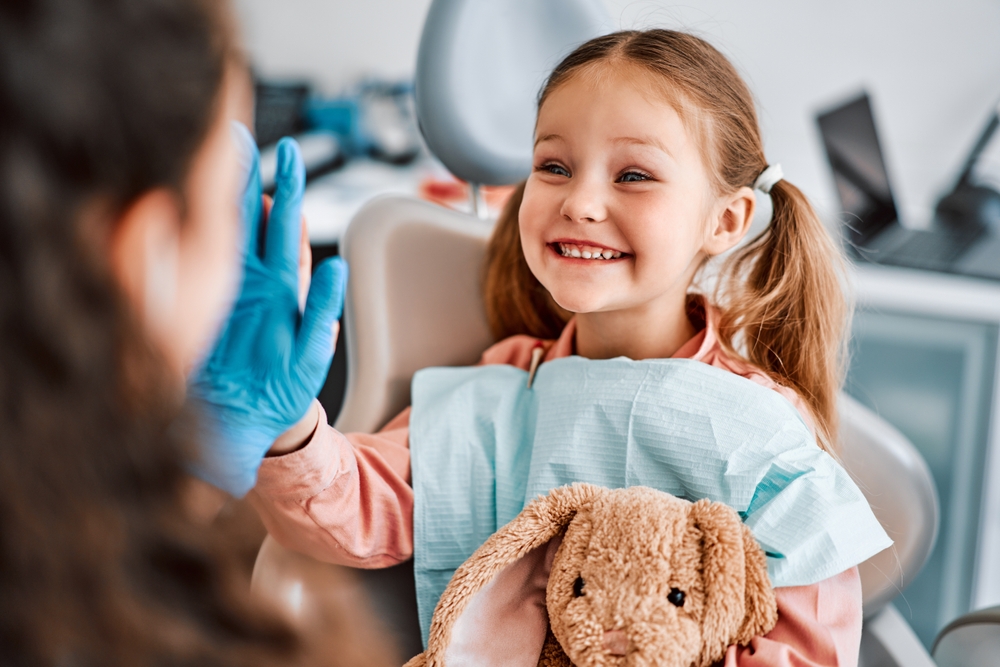
Smiling young girl giving a high five to a dentist while holding a stuffed toy

Mouth Breathing and Holiday Stress: How Thanksgiving Affects Your Child’s Oral Health

By Kids Dentistry

Thanksgiving is a special time of year. Families come together, traditions return, and children enjoy a break from their usual routines. With travel, new environments, rich meals, and holiday excitement, daily habits can easily shift—sometimes in ways parents don’t expect. 

One common change is an increase in mouth breathing, especially in children who already struggle with nasal congestion or seasonal discomfort.

Many parents notice that their child breathes through the mouth more frequently during the holidays. This change may seem small, but it has a meaningful impact on oral health. In fact, the holiday season often combines several factors that make mouth breathing in children more noticeable and potentially more harmful.

This guide explains why Thanksgiving can influence breathing habits, how mouth breathing affects dental health, and what families can do to protect their child’s smile throughout the holidays.

Understanding Mouth Breathing in Children

Mouth breathing happens when a child inhales and exhales through the mouth rather than the nose. While occasional mouth breathing is normal, consistent or long-term mouth breathing can influence oral health, sleep, and facial growth.

Common Causes of Mouth Breathing

Children may begin mouth breathing because of:

  • Allergies

  • Enlarged tonsils or adenoids

  • Chronic nasal congestion

  • Structural nasal issues

  • Poor oral posture

  • Sleep disturbances

  • Emotional stress

During the Thanksgiving season, many of these triggers become more active. Cooler weather, indoor gatherings, and disrupted routines can all lead to more frequent mouth breathing.

How Thanksgiving and Holiday Stress Increase Mouth Breathing

The Thanksgiving season is joyful but also stimulating for children. With more activity, travel, and excitement, their bodies respond in ways that may encourage mouth breathing.

1. Seasonal Allergies and Dry Indoor Air

Indoor heating and closed windows create dry air that irritates the nose. Dust, cooking particles, and pet dander from holiday gatherings can intensify congestion. A child who feels “stuffed up” naturally switches to mouth breathing.

2. Travel and Irregular Sleep Schedules

Sleeping in new environments, staying up late, or resting in cars can change how a child positions their head and neck. A tired child is far more likely to fall asleep with the mouth open, especially when nasal passages are irritated.

3. Heavy Holiday Foods

Thanksgiving meals are often rich, salty, and sugary. These foods can cause dehydration, throat dryness, and inflammation. When the mouth and airways feel dry or irritated, children are more likely to breathe through their mouths.

4. Emotional Excitement and Stress

Holiday gatherings are fun, but they can also be overwhelming. When children become anxious or overly excited, their breathing patterns often shift. Quick, shallow breaths—commonly taken through the mouth—become more frequent.

5. Cold, Flu, and Illness

Thanksgiving arrives as winter illnesses become more common. Even minor colds make nasal breathing uncomfortable, leading to temporary but frequent mouth breathing.


How Mouth Breathing Impacts Oral Health During Thanksgiving

Mouth breathing affects how saliva works inside the mouth. Saliva protects teeth by washing away bacteria, balancing acids, and supporting enamel. When a child breathes through the mouth, saliva dries quickly, increasing the risk of dental issues.

This risk becomes sharper when combined with holiday foods and disrupted routines.

1. Mouth Breathing and Cavities During the Holidays

One of the clearest links is between mouth breathing and cavities. A dry mouth allows bacteria to multiply quickly and cling tightly to the teeth. When children also enjoy sticky desserts, starchy dishes, and constant snacking during Thanksgiving, the risk of mouth breathing cavities increases considerably.

Thanksgiving Factors That Increase Cavity Risk

  • Sugary desserts and treats

  • Sticky foods like stuffing or caramel

  • All-day snacking

  • Reduced brushing and flossing

  • Inadequate hydration

  • Dry indoor air

Together, these make mouth breathing and cavities a major concern for children during the holidays.

2. Gum Irritation and Dryness

Mouth breathing exposes the gums to constant airflow, causing dryness and inflammation. Thanksgiving foods—especially acidic or sugary dishes—can irritate already sensitive gum tissue. Parents may notice redness, swelling, or bleeding during brushing.


3. Impact on Facial Growth and Development

Long-term mouth breathing can influence how a child’s face grows. Oral posture affects the shape of the jaw, palate, and airway. Mouth breathing and facial development are strongly connected, and the changes can become more noticeable as a child grows.

Potential effects include:

  • Narrow palate

  • Increased tendency for crooked teeth

  • Longer facial appearance

  • Bite alignment issues

  • Changes in speech clarity

Thanksgiving does not cause these changes, but seasonal habits can intensify ongoing mouth breathing patterns.

4. Side Effects That Appear More Frequently During the Holidays

Parents may observe signs such as:

  • Dry mouth in the morning

  • Bad breath

  • Snoring or noisy breathing

  • Restless sleep

  • Irritability or daytime fatigue

  • Difficulty focusing during activities

These mouth breathing side effects often become more obvious during travel or family gatherings.

How Thanksgiving Foods Contribute to Mouth Breathing

Many holiday dishes can influence breathing and oral health. Rich meals or irritating foods may trigger inflammation or dryness, making nasal breathing more challenging.

Thanksgiving Foods That Can Worsen Mouth Breathing

  • Dairy-heavy dishes

  • Salty snacks and sides

  • Sugary desserts

  • Acidic beverages

  • High-starch foods that cling to teeth

These foods increase mucus, cause dehydration, or irritate the throat and nasal passages, making mouth breathing more likely.

How to Protect Your Child’s Oral Health Throughout Thanksgiving

Parents can take simple, effective steps to help children maintain good oral health even with holiday disruptions.

1. Maintain Regular Brushing and Flossing

Consistency matters. Help your child brush twice daily, floss once a day, and use fluoride toothpaste. A small travel-size dental kit makes it easier to keep up routines when visiting relatives or staying in hotels.

2. Encourage Hydration

Water helps restore moisture in the mouth and supports saliva production. Ask your child to drink water after:

  • Desserts

  • Salty foods

  • Fizzy or sugary drinks

Staying hydrated also improves sleep and reduces inflammation in the airways.

3. Support Nasal Breathing

Before bedtime, gentle nasal breathing exercises can help. Simple activities such as humming, blowing bubbles, or slow controlled breathing encourage proper airflow through the nose.

4. Manage the Sleep Environment While Traveling

A few adjustments can prevent mouth breathing at night. 

Consider:

  • Using a portable humidifier

  • Keeping the room cool

  • Reducing allergens in guest rooms

  • Slightly elevating your child’s head

These small changes can improve airflow and comfort.

5. Offer Balanced Food Choices

Children can still enjoy holiday favorites, but offer options that are kinder to their teeth and airway.

Helpful alternatives include:

  • Lean turkey

  • Soft vegetables

  • Fresh fruit

  • Whole-grain sides

  • Yogurt or cheese

These foods help reduce dryness and are less likely to cling to the teeth.

6. Reduce Continuous Snacking

Frequent snacking exposes the teeth to sugar for longer periods. Setting snack times instead of grazing throughout the day gives the mouth time to recover.

7. Treat Congestion Promptly

Saline sprays, warm showers, or medical guidance (when appropriate) can help clear nasal passages. Treating congestion early prevents mouth breathing from becoming a habit.

8. Watch for Early Signs of Facial Development Changes

If you notice:

  • A narrow smile

  • A consistently open mouth posture

  • Protruding teeth

  • Difficulty chewing

  • Speech differences

These may suggest an underlying issue related to mouth breathing and facial development. Early evaluation can make a significant difference.

When to Consult a Pediatric Dentist or ENT Specialist

If your child consistently mouth breathes—especially at night—or frequently develops cavities or gum issues, it is important to discuss these concerns with a specialist. A pediatric dentist can identify whether mouth breathing is affecting oral health and guide families toward appropriate solutions.

Kids Mile High provides thorough evaluations to help determine the cause of mouth breathing and how it may be affecting your child’s oral development.

Conclusion: Keeping Your Child’s Smile Healthy This Thanksgiving

Thanksgiving is a wonderful holiday filled with family, gratitude, and celebration. At the same time, changes in routine, holiday foods, and seasonal stress can make mouth breathing more noticeable in children. Understanding the connection between mouth breathing cavities, mouth breathing side effects, and holiday habits allows families to be proactive.

Can You Eat After Sealants

Can You Eat After Sealants?

By Kids Dentistry

Can You Eat After Sealants? Dental sealants are a powerful tool for protecting your child’s teeth from cavities, especially during their formative years. If your child has recently had sealants applied, you may wonder about the next steps: what foods they can eat, how to care for the sealants, and what to do if any issues arise.
In this guide, we’ll answer all your questions, including how soon your child can eat, what foods to avoid, and how to handle potential issues with dental sealants. By following these recommendations, you can help your child maintain a healthy and protected smile for years to come.

What Are Dental Sealants and Why Are They Important?

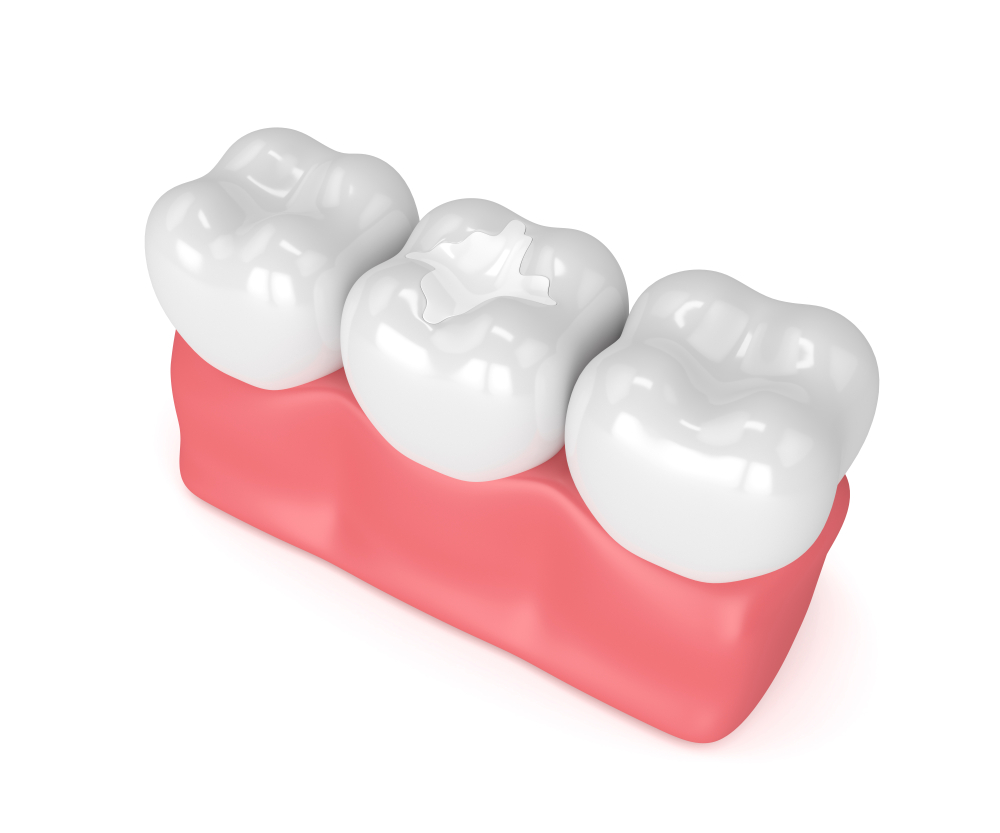
Dental sealants are thin, protective coatings applied to the chewing surfaces of molars and premolars. These teeth often have deep grooves and pits where food and bacteria can collect, making them prone to cavities. Sealants provide an extra layer of protection by filling in these grooves, creating a smooth surface that keeps harmful substances out.

The Application Process

The process of applying dental sealants is quick, painless, and straightforward:

  1. Cleaning the Tooth: The dentist removes any plaque or debris from the tooth surface.
  2. Preparing the Tooth: A mild acidic solution is applied to roughen the tooth surface, ensuring the sealant adheres securely.
  3. Applying the Sealant: The liquid sealant is painted onto the tooth and hardened with a curing light, creating a durable protective barrier.

Sealants are particularly beneficial for children and teenagers, as their developing teeth are more susceptible to cavities. Adults can also benefit from sealants, especially if they have deep grooves in their teeth.

How to Care for Dental Sealants

Proper care is essential to ensure the longevity and effectiveness of dental sealants. Here are a few important steps to follow:

Maintain Good Oral Hygiene

  • Encourage your child to brush twice a day with fluoride toothpaste.
  • Use a soft-bristled toothbrush to avoid damaging the sealants.
  • Help them floss regularly to clean between teeth and prevent gum disease.

Visit the Dentist Regularly

  • Schedule dental checkups every six months. During these visits, the dentist will examine the sealants to ensure they are intact and functioning as intended.

Avoid Harmful Habits

  • Teach your child to avoid chewing on hard objects like ice, pencils, or fingernails, as these can chip or break the sealants.

With these simple steps, you can help ensure the sealants remain effective for years.

How Soon Can You Eat After Sealants Are Applied?

A common question parents have is, “How long after sealants can you eat?”

The answer is that dental sealants harden immediately after being cured with a special light, meaning your child can eat right away. However, it’s a good idea to avoid particularly hard or sticky foods for the first 24 hours to ensure the sealants settle properly.

Foods to Enjoy After Sealants

Sealants don’t significantly restrict your child’s diet, but soft and gentle foods are ideal, especially immediately after the procedure. Some safe options include:

  • Soft fruits like bananas, peaches, and pears
  • Cooked vegetables such as carrots and broccoli
  • Dairy products like yogurt and cheese
  • Grains like rice, pasta, and bread
  • Tender meats and eggs

These foods are easy to chew and won’t put undue pressure on the sealants.

Foods to Avoid After Sealants

While most foods are safe, some can pose a risk to the sealants. Here are a few types to avoid:

Sticky Foods

Sticky treats like caramel, toffee, and gummy candies can adhere to the sealants, potentially causing them to loosen or lift.

Hard Foods

Hard foods such as popcorn kernels, hard candies, and nuts can crack or chip the sealants, compromising their protective function.

Sugary Snacks

Although sealants help protect against cavities, consuming too much sugar can still harm unprotected areas of the mouth. It’s best to limit sugary foods and drinks to support overall oral health.

Can You Eat Chips After Sealants?

Chips are generally safe to eat after sealants, but some caution is necessary. Crunchy or hard chips with sharp edges can wear down the sealants over time. If your child enjoys chips, consider softer varieties and ensure they brush their teeth afterward to remove any lingering particles.

What to Do If Problems Arise with Dental Sealants

Dental sealants are durable, but issues can sometimes occur. Here’s how to handle common problems:

Sealants That Chip or Fall Off

If you notice that a sealant has chipped or come off, contact your dentist promptly. They can repair or replace the sealant to restore its protective barrier.

Persistent Sensitivity

It’s normal for teeth to feel slightly sensitive immediately after sealants are applied, but this should resolve quickly. If sensitivity persists, consult your dentist to ensure there are no underlying issues.

Cavities Under Sealants

In rare cases, cavities can form beneath sealants if they were not applied correctly. Regular dental checkups can catch and address these issues early.

Natural Wear and Tear

Sealants may wear down over time, particularly in children who frequently chew on hard foods or objects. During routine visits, your dentist can assess the sealants and reapply them if necessary.

What Should You Do If There Is a Problem with Your Dental Sealant?

Dental sealants are durable but can sometimes chip, wear down, or cause sensitivity. If this happens, visit your dentist promptly to repair or replace them. Persistent sensitivity or cavities beneath the sealants should also be addressed during routine checkups.

At Kids Mile High, we’re here to help protect your child’s smile. Contact us with any concerns or to schedule an appointment

How to Find the Right Dentist

Who Should See a Special Needs Dentist?

By Kids Dentistry

How to Find the Right DentistIf you have a child with special needs, you likely excel at finding the best care and support for them. But what about dental care? You may be wondering, “Should my child see a special needs dentist?”

We will cover the key aspects of special needs dentistry, including its importance and how to find the right dentist to maintain your child’s healthy and bright smile.

What is Special Needs Dentistry?

Before we discuss who should see a special needs dentist, let’s define what special needs dentistry is. This specialized branch of dental care focuses on providing personalized and compassionate care to patients with a wide range of physical, developmental, or cognitive disabilities. This includes children with conditions such as autism, Down syndrome, cerebral palsy, ADHD, and other unique challenges.

Special needs dentists are trained to understand the unique dental challenges that individuals with special needs may face. They create a safe and supportive environment, making dental visits positive for both the child and their family.

Why is Special Needs Dentistry Important?

You may wonder why your child should see a special needs dentist instead of a general dentist. The answer lies in the specialized care they provide. Children with special needs often have specific dental health issues that require a different approach.

  • Tailored Communication and Approach: Special needs dentists are trained to communicate effectively with children who may have difficulty understanding or expressing themselves. They use techniques adapted to each child’s level of understanding, making dental visits less stressful and more enjoyable.
  • Customized Treatment Plans: Every child is unique, and so are their dental needs. Special needs dentists develop individualized treatment plans considering each child’s medical history, sensory sensitivities, and behavioral needs. This personalized approach ensures your child receives the best care possible.
  • Behavior Management Techniques: Special needs dentists are skilled in various behavior management techniques, from positive reinforcement to sedation options. These techniques help your child feel safe and comfortable during treatment, making the dental experience a positive one.
  • Specialized Equipment and Facilities: Dental offices for special needs dentistry often have equipment and spaces designed for children with physical disabilities or sensory sensitivities. This can include wheelchair-accessible rooms, sensory-friendly environments, and tools to make the dental visit more comfortable.”

Who Should See a Special Needs Dentist?

Now that we’ve discussed why special needs dentistry is important, let’s consider who can benefit from seeing a special needs dentist. If your child has any of the following conditions or challenges, a special needs dentist may be the best choice:

  1. Children with Autism Spectrum Disorder (ASD) may be sensitive to sights, sounds, and smells in a dental office. This sensitivity can lead to feelings of being overwhelmed. Special needs dentists understand these challenges and create a calm, structured environment to reduce anxiety.
  2. Down Syndrome: Children with Down syndrome may have special dental needs, like delayed tooth growth, smaller or misshapen teeth, and a higher risk of gum disease. Special needs dentists are familiar with these issues and can provide the specialized care needed.
  3. Cerebral Palsy: Children with cerebral palsy may face challenges with oral motor function, leading to difficulties in brushing and flossing effectively. A special needs dentist can offer techniques and tools to assist with oral hygiene and prevent dental problems.
  4. Attention-Deficit/Hyperactivity Disorder (ADHD): For children with ADHD, sitting still for extended periods can be challenging. Special needs dentists use strategies to keep appointments short, engaging, and positive.
  5. Sensory Processing Disorders: Children with sensory processing disorders may be hypersensitive to light, sound, or touch. Special needs dentists adjust the environment and their techniques to accommodate these sensitivities.
  6. Genetic Disorders: Various genetic disorders, such as fragile X syndrome or Rett syndrome, can impact oral health and the ability to cooperate during dental care. Special needs dentists are trained to manage these challenges effectively.
  7. Physical Disabilities: Children with physical disabilities may require special accommodations for dental care, such as wheelchair access or modified dental equipment. Special needs dentists provide the necessary support to ensure every child receives the care they need.

How to Find the Right Dentist

Special Needs DentistFinding the right dentist for your child’s unique needs is crucial. Here’s how you can find the perfect match:



  1. Ask for Recommendations: Talk to other parents, your pediatrician, or your child’s therapist for recommendations on experienced special needs dentists.
  2. Research Online: Use online resources to find special needs dentists in your area. Websites like the American Academy of Pediatric Dentistry (AAPD) and the Special Care Dentistry Association (SCDA) offer directories to help you find qualified professionals.
  3. Visit the Office: Before scheduling an appointment, visit the dental office to see if it’s a good fit. Check if the environment is welcoming, accessible, and designed to accommodate children with special needs.
  4. Ask Questions: Don’t hesitate to ask about the dentist’s experience with special needs children, their approach to behavior management, and the types of accommodations they provide.

Preparing Your Child for a Dental Visit

Preparing your child for a dental visit can help make the experience smoother. Here are some tips:

  1. Social Stories: Create a social story about visiting the dentist. Include pictures and simple language to explain what will happen during the visit.
  2. Practice Visits: Schedule a practice visit to the dentist’s office. This can help your child become familiar with the environment without any actual treatment.
  3. Use Visual Aids: Use pictures, videos, or books about going to the dentist to help your child understand the process.
  4. Positive Reinforcement: Offer praise, stickers, or a small reward after the dental visit to reinforce positive behavior.

Conclusion

Special needs dentistry goes beyond mere dental treatment; it involves establishing a caring, empathetic, and secure setting for children facing distinct difficulties. Whether your child is diagnosed with autism, ADHD, physical impairments, or other special needs, a pediatric dentist specializing in special needs can offer the customized attention they deserve.

Finding the right dentist may take time, but it’s a journey that leads to happier dental visits and healthier smiles. If you think your child could benefit from seeing a special needs dentist, don’t hesitate to reach out. We’re here to help make every smile a little brighter.

If you have any questions or need to schedule an appointment, feel free to contact us at KidSmile High Pediatric Dentistry, your trusted pediatric dentist in Denver. We’re dedicated to providing compassionate, specialized care for all our patients.

10 Tips for Helping Kids Overcome a Fear of the Dentist

10 Tips for Helping Kids Overcome a Fear of the Dentist

By Kids Dentistry

10 Tips for Helping Kids Overcome a Fear of the DentistWe’ve had a lot of parents visit Kids Mile High Pediatric Dentistry concerned that their two-year-old or three-year-old is scared of the dentist (though dental anxiety in children can happen with any age group). It’s definitely a normal reaction considering a stranger is attempting to look around in their mouth with various instruments. Even adults can be a little freaked out by the prospect! Yet, knowing this doesn’t mean that if a child won’t open their mouth at the dentist or they refuse to even sit in the chair, parents won’t be a bit stressed out.

The good news is that taking certain steps can go a long way in alleviating dental phobia in kids. When little ones are comfortable with regular visits and have warm and fuzzy feelings towards their dentist, it sets the stage for a lifetime of good oral health because as grown-ups, they’ll be more likely to schedule checkups and address any issues right away. Here are 10 ideas for turning your child into a brave little patient to make your life easier and ensure they develop a positive outlook on dental care.

How to Help Kids Overcome Their Fear of the Dentist

Read More

From Fever to Red Cheeks: What Science Says About These 6 Symptoms Commonly Attributed to Teething

By Kids Dentistry, Orthodontics

Babies grow up so fast! It seems like one day, your sweet baby is melting your heart with gummy smiles. The next day, they’re teething, and before you know it, they’re winning you over with toothy grins! So when can you expect those little pearl whites to actually start showing up? Every kiddo’s teething timeline is unique, but it typically starts around six months old with the eruption of a lower front tooth — and a host of teething symptoms. Some, like biting and chewing, irritability, and loss of appetite make sense as a response to the discomfort of cutting a tooth. But are all the things you see directly connected to infant teething?

Your Denver-area pediatric dentists at Kids Mile High to the rescue with answers! We’re here to help alleviate your uncertainty by covering six symptoms commonly attributed to infant teething and answering whether science actually links them to teething.

1. Does Teething Cause A Fever?

Many parents will swear that fever is a teething symptom. However, research generally shows that while teething might cause a slight increase in temperature due to inflammation in the gums from teeth erupting, the increase isn’t typically high enough to be an actual fever. According to this study, the answer to the question, “Do babies get fevers when teething?” is essentially that they shouldn’t. However, increased temperature is typical the day before and the day of a tooth erupting, but these temperatures aren’t in fever territory. If your child does have a fever during or after a tooth erupts, we recommend calling your pediatrician.

2. Red Cheeks When Teething

Are red cheeks when teething a surefire symptom of new teeth coming in? Scientifically, red cheeks can happen because of the slight temperature rise we mentioned above. Face-rubbing because of oral discomfort can also lead to red cheeks when teething, while increased drooling can irritate skin and cause redness or a rash on your wee one’s chin.

3. Is Diaper Rash a Symptom of Teething?

Speaking of rashes, what about diaper rash as a symptom of infant teething? No, diaper rash isn’t a direct symptom of teething, though a child experiencing diarrhea (as we’ll cover next) might get diaper rash from it.

4. Is Diaper Rash a Symptom of Teething?

Speaking of rashes, what about diaper rash as a symptom of infant teething? No, diaper rash isn’t a direct symptom of teething, though a child experiencing diarrhea (as we’ll cover next) might get diaper rash from it.

5. Does Teething Cause An Earache?

Earache and teething: directly related? Research shows that the answer to “Does teething cause earache?” is yes. In our experience as pediatric dentists, Dr. Paddy, Dr. Roger, and Dr. Meredith know that earache is one of the common teething symptoms kids experience. How do teething earaches happen? Teething pain can radiate and travel from your child’s mouth into their face and head, making your little one’s tiny ears feel achy.

6. Is a Runny Nose a Symptom of Teething?

Some experts say a runny nose isn’t a direct symptom of infant teething — it’s stress on the body from erupting teeth that can make babies more susceptible to germs, leading to sickness and a runny nose. On the other hand, this study published in Pediatrics did find a correlation, making the answer to “Is a runny nose a symptom of teething?” anything but cut and dried. Again, the safest step is to see your pediatrician if you’re concerned about your little one’s runny nose.

So, what’s the verdict? Well, while some teething symptoms — like drooling and biting — are directly related to teething, others, like fever and diarrhea, are more likely caused by other factors. As always, keep a close eye on your little one and check with your pediatrician if you’re unsure.

Have any other questions about teething? Your Denver-area pediatric dentist has got you covered. Come in to see us at your kiddo’s first birthday so we can chat about avoiding cavities for your child’s tiny smile and spot any baby teeth dental issues early on those first teeth.

Set up a first visit today at our award-winning pediatric dental offices in Englewood, Central Park, or Thornton, CO!

The Best Winter Activities for Kids in Denver, Thornton and Englewood

The Best Winter Activities for Kids in Denver, Thornton and Englewood

By Community, Kids Dentistry

The doctors at Kids Mile High Pediatric Dentistry and Orthodontics LOVE winter in Denver. You may know us as your super fun, trusty Englewood pediatric dentistry and orthodontics office, but when we’re not bringing out your kids’ best smiles, we’re all about the Colorado lifestyle in our free time.

For Dr. Paddy, skiing is his passion and he spent his formative years on the ice playing hockey so you just might see him and his family out on the slopes or ice this winter. But amazing outdoor rec isn’t where the winter activities in and near Denver stop. There are a ton more things to do in Denver, Colorado, during winter. Follow along with this guide to kid-friendly things to do in Denver in winter for the best season ever!

Children’s Story Times at the Englewood Public Library – Englewood

Instill a love of literature in your kiddos and meet other parents at Englewood Public Library’s various Story Times, ranging from baby-focused through preschool. With stories, songs, and play, Story Times are among the most popular things to do in Denver with toddlers. And for older kids? The library has weekly tween and teen drop-ins and events. The first week of January features a Children’s Winter Break Program to keep kids busy before school starts again. Check out the calendar for specific dates and times.

Swimming at the Englewood Recreation Center

Swimming is one of those tried and true indoor kids activities in Denver for winter fun… and for every season really! Englewood Parks and Recreation offers open swim every day as well as swim classes for all ages. Take a look at the schedule.

Ice Skating at Southwest Rink in Downtown Denver

If you’re looking for kid-friendly things to do in Denver that are extra special in winter, look no further than outdoor ice skating at Southwest Rink. The outdoor ice rink is open to the public through February 2. Admission is free, and skate rental is available. It can’t get much more magical than outdoor city skating during the holidays, right?

Sledding in Englewood and Surrounding Areas

Sledding hills abound in Colorado. So, for your next family outing, bundle up the family and head out for some excitement. It’s one of those winter activities near Denver that you can’t miss out on. Check out this list from Colorado Parent to find a good hill close to you.

Denver Museum of Nature & Science Free Days – Denver

Come in from the cold and explore! The Denver Museum of Nature & Science is one of those go-to indoor kids’ activities to do in winter that the whole family will enjoy. And bonus, visits are free this winter on January 12, February 2. and March 7.

Hitch a Ride to the Slopes with Snowstang

A list of winter things to do in Denver isn’t complete without including skiing and snowboarding. Need a lift to the lift? Colorado Department of Transportation’s got you with Snowstang service. Snowstang runs weekends and holiday Mondays from December 14 – May 4. Pick up and drop off schedules from Denver Union Station to Arapahoe Basin, Breckenridge, Copper Mountain, Loveland Ski Area, and Steamboat Springs.

Skiing or Snowboarding at Ruby Hill Terrain Park – Denver

Denver in February offers one of the coolest things to do outside: the seasonal opening of Ruby Hill Rail Yard, a really fun area of Ruby Hill Park located at the intersection of Platte River Drive and Jewell Avenue. It is the first free terrain park in the country and has six to eight rails and boxes in different configurations for varying skill levels that you can ski and snowboard for free. Snowguns cover the area with snow and the park stays open until the snow melts in March. This activity is a joint effort between Denver Parks and Recreation and Winter Park Resort. Typically, free ski and snowboard equipment rentals are available Friday through Sunday.

Children’s Museum of Denver – Denver

As one of the top kid-friendly things to do in Denver in winter, we think you could spend all day here with the little ones. Explore exhibits, take part in daily activities and special events and even play on a real fire truck or frolic in the bubble room. Plus, Snow Days are on now until February 16th.

Englewood Parks and Recreation Active Kids Programs

The Englewood Parks & Rec department has several indoor kids activities in winter to keep kids active, including swimming lessons, tumbling for tots, dance and gymnastics. See the Englewood Magazine & Recreation Guide for registration details and dates.

My Gym – Highlands Ranch

So this one isn’t in Englewood or Denver, but it’s mere minutes from Englewood. It’s worth the trip as one of your winter things to do near Denver when your kids need to get out their wiggles when it’s too cold outside to play.

The kiddie gym has classes and programs for children ages six weeks through 10 years old that incorporate dance, music, games, sports, gymnastics and more while allowing them to learn and socialize.

Tour the U.S. Mint – Denver

One of the things to do in Denver, Colorado during winter you might’ve not considered? If your kids love getting their allowance, visiting The United States Mint on West Colfax Avenue might help them learn (and appreciate?) where that money comes from. The Denver Mint offers free, guided tours Monday through Thursday. Tours are for visitors ages seven and up and cover the history of the United States Mint and how coins are made.

Climb and Play at REI – Denver

REI’s flagship store on Platte Street in Denver is a wonderland for outdoor enthusiasts and the perfect place to include on your list of things to do in Denver, Colorado during winter. No, we’re not just talking about shopping: kids can practice their climbing skills on the Climbing Pinnacle at an indoor Kids’ Climbing Class.

Wings Over the Rockies Air & Space Museum – Denver

This family-friendly Denver museum offers aircraft, space and rocket exhibits. Kids will love seeing real, enormous airplanes up close. If you have a Star Wars fan in the family, the museum has a ¾ replica of Luke Skywalker’s X-Wing, too. Check out their packed calendar of events where kids can make crafts, enjoy stories or even climb aboard certain aircraft and explore the cockpits.

Butterfly Pavilion – Westminster

And for a different kind of flight, how about the Butterfly Pavilion in Westminster, just 15 minutes from downtown Denver? It’s one of these great winter activities near Denver since it’s warm and tropical inside! Oh, and yes, the thousands of butterflies are fabulous, too. You’ll also learn about bees, the little critters you can find in your Colorado backyard, and the beautiful creatures in our water ecosystems.

Denver Art Museum – Denver

Have budding artists in your family? A visit to the Denver Art Museum is a great way to inspire your creative kiddos. Admission is free for kids 18 years old and under. Make this an even more fun thing to do in Denver by encouraging your kids to pack sketchbooks, clipboards, paper, and their favorite drawing and coloring tools to capture what they see.

Kids Dig – Littleton

Winter activities near Denver don’t get more creative than this! With outdoor playgrounds often wet and cold during winter, you do have an option for your wee sandbox lovers. About 20 minutes from Englewood at Kids Dig, you’ll find 40 tons of sand indoors with Tonka and CAT trucks for kids seven years old and under to dig, scoop, and move.

Indian Hot Springs – A Rejuvenating Soak

Ok, we admit, this is one of those winter activities near Denver that might skew toward families with older kids. But we thought a day outing to the mineral pool and baths at Indian Hot Springs would be a relaxing, post-mountain-day activity. Families are welcome, though there is an age minimum for the geothermal caves and Club Med.

Grizzly Rose Family Night – Denver

The family that dances together, stays together. Okay, maybe that’s not quite the expression but it can ring true of Family Nights at cowboy-inspired establishment Grizzly Rose. Sundays are Family Night, where doors open at 6 pm, and there’s live music and a free line dancing class at 7 pm. Maybe your kids will even brave the bucking bronco!

Dentist for Autistic Child

A Guide to Taking a Child With Autism and Sensory Issues to the Dentist

By Kids Dentistry, Orthodontics

For kids, going to the dentist can include a lot of new sights, sounds, smells, and people. And for kids with ASD or sensory issues, these things can be especially difficult. If you’ve been wondering, “Can a child with autism go to the dentist?” The answer is a resounding, “For sure!”

You’ll be glad to know that the team at Kids Mile High Pediatric Dentistry and Orthodontics is your pediatric dentist in Denver, Englewood, and Thornton for autistic kids and kids with special needs. We’re trained and experienced in gentle techniques, protective stabilization, and, if needed, sedation dentistry — so your child is always comfortable and safe.

That said, a positive dental experience starts at home, so to help you prepare your child for a trip to the dentist, Dr. Paddy, Dr. Roger, and Dr. Meredith have some tips for setting your child up for dental care success at home and preparing them for dental visits.

Sensory Support For At-Home Dental Care

Kids with autism or sensory issues can benefit from at-home brushing that suits their particular sensory needs. As a Denver pediatric dentist who’s treated many kids with sensory issues, we suggest an electric toothbrush for kids who need extra sensory stimulation. The extra movement can have a calming effect… and is also extra fun! An electric toothbrush might encourage your child to brush longer too, resulting in a cleaner, brighter smile.

On the other hand, sensory avoiders might need a change in toothpaste or a modified brushing technique because of the uncomfortable physical feeling of a toothbrush in their mouths. If this is the case for your child, try unflavored toothpaste or a different flavor of toothpaste. As your pediatric dentist in Denver, give us a shout if you need some product recommendations! Although toothpaste is recommended, in difficult situations, always remember that even a wet toothbrush with no toothpaste to remove plaque and food particles is preferable to no brushing at all!

If a change in toothpaste or a modified brushing technique isn’t helping, here are some bigger-picture techniques for easing your child into feeling comfortable with dental care. Pediatric dentists recommend that an adult brush their kids’ teeth or supervise tooth brushing until about age 7 or 8 due to the lack of dexterity in younger children.

1. Gentle touch: Start by providing gentle pressure to the back of your child’s head for five seconds, repeating three times. Do this three to five times per day, preferably where your child will be brushing their teeth. If the bathroom isn’t where your child feels comfortable, choose a different setting in your home where they feel more relaxed.

Once your child is comfortable with gentle touch on the back of their head, extend your routine with gentle pressure below the ears, lower cheekbones, and sweeping motions from the ears to the chin. Then try applying pressure on the lower and upper lip, and upper cheekbones.

2. Move on to a warm washcloth: Repeat those same gentle touches with a warm washcloth. At this point, ask your child if you can touch their teeth with the warm cloth.

3. Introduce a toothbrush: At this point, if your child is okay with the washcloth touching their teeth, introduce a toothbrush without toothpaste. Gently brush with a soft, kid-sized toothbrush. Let your child pick out their own toothbrush at the store.

4. Bring on the toothpaste: Adding toothpaste is the last step. Make sure it’s one with fluoride and use only a pea-sized amount. Of course, the flavor is up to you and your child and it may take a few tries to find a toothpaste they’re okay with. Show your child how you brush your teeth and brush your teeth together.

Preparing For Your Child’s VIsit To The Dentist

Preparing your child with ASD or sensory issues in advance goes a long way in easing anxiety and experiencing a smooth visit. As your specialist for autistic and special needs kiddos, we’re happy to have you come in for a tour in advance of your actual check up/cleaning appointment. A tour is also a great time to chat with Dr. Paddy, Dr. Roger, or Dr. Meredith about your child’s needs.

If a big tour is too overwhelming, no worries! Break up your introductory visit into smaller steps. For example, you can first come in, say hello to our friendly reception team, and then hang out in our fun reception area. Our “Fun Zone” has games, toys, and a giant fish tank. A second visit can then include a tour of the treatment areas and a chat with our doctors and dental care team.

One great way to further alleviate pre-visit anxiety? Your pediatric dentists serving Denver/ Englewood/Thornton areas suggest a visual schedule at home that shows every step that will happen at a dental visit. Steps can include:

  • Choosing a comfort item to bring
  • Waiting/playing in the waiting area beforehand
  • How to sit in the dentist chair (feet out, mouth open wide, etc)
  • What the hygienist or doctor will do when examining your mouth
  • What they’ll do when cleaning your teeth
  • What happens during x-rays
  • Getting a prize

Visit Your Denver Pediatric Dentist Specializing in Autism and Sensory Needs

Kids Mile High is your go-to team of board-certified (and award-winning!) Denver pediatric dentists for safe and comfortable treatment if your child has ASD or sensory issues. With

Got more questions about taking your ASD child or child with sensory issues to the dentist? Contact us so we can work together to ensure a healthy smile for your child.

Dr. Roger and young paitent Kids Mile High

Meet Our Denver Pediatric Dentist: 20 Questions for Dr. Roger Castro

By Kids Dentistry

You may know Dr. Roger Castro as your super awesome Stapleton pediatric dentist who’s dedicated to making dental visits relaxed, positive and fun for kids and parents alike. However, did you also know when he’s not making smiles sparkle at Kids Mile High Pediatric Dentistry, he’s an ice cream aficionado and loves rooting for the San Francisco 49ers? Well, there are more fun facts where those came from. To help you get to know Dr. Roger a little better, we played a game of 20 questions.

Where did you grow up?
I was born in El Salvador and I grew up in California, Texas, Tennessee, and Maryland.

2. Why did you become a Denver pediatric dentist?
I like joking around with kids all day!

3. What is the best vacation you’ve ever taken?
The best vacation I ever went on was to South Africa.

4. Who is your role model?
My dad is my role model.

5. What’s your favorite thing about coming to work at Kids Mile High every day?
Seeing the colorful fish!

6. What are your three favorite ice cream flavors?
I love vanilla, cookies and cream, and peanut butter ice cream.

7. What’s your favorite movie?
Die Hard

8. What was the most challenging part of dental education?
Definitely the one million exams!!

9. How would you describe your perfect weekend?
My perfect weekend is watching sports with my baby on my lap.

10. Did you like going to dentist as a kid?
Yes, even though I bit the dentist!

11. What’s your favorite restaurant in Denver?
Snooze

12. What is something your patients would be surprised to learn about you?
I hate getting blood taken.

13. Which sports team do you root for?
The San Francisco 49ers, San Francisco Giants, and the New York Knicks

14. What do you think makes you different from other pediatric dentists?
I am silly!

15. If you could have a super power what would it be?
My super power would be time travel.

16. What was your first concert?
The first concert I went to was Wu Tang Clan with Rage Against the Machine.

17. What’s your spirit animal?
A squirrel

18. What’s the best advice you can give parents about caring for their kids’ teeth?
Encourage lots of water, fruits and veggies!!

19. What is your favorite food?
Maryland blue crabs

20. What is your favorite holiday?
Thanksgiving is my favorite holiday.

If you want to meet Dr. Roger in real life and learn more about what makes him such a fantastic Denver pediatric dentist, schedule a visit at Kids Mile High Pediatric Dentistry today!

13 Ways to Add Halloween Fun to Brushing and Flossing

Ghoulishly Great Oral Hygiene: 13 Ways to Add Halloween Fun to Brushing and Flossing

By Community, Kids Dentistry, Orthodontics

Halloween is lurking just around the corner, and while the kiddos are pumped about trick-or-treating, you might be thinking about your kids’ oral hygiene. Well, the Kids Mile High Pediatric Dentistry and Orthodontics team is too and we’ve got you covered! Your Denver-area pediatric dentists, Dr. Paddy, Dr. Roger, and Dr. Meredith, offer 13 fang-tastic ideas to add a bit of Halloween magic to this season’s brushing and flossing.

  1. Candy Toothpaste

If your kiddo uses a mint-flavored toothpaste, switch it up with a flavor that’s more candy-inspired. Brushing kids’ teeth with a flavor like this “dragon dazzle” blue raspberry and sparkle fluoride toothpaste is a sweet experience (from xylitol and stevia) and keeps their teeth boo-tifully clean and can help prevent cavities.

  1. Match Their Toothbrush To Their Costume

Is your kid dressing up as their favorite superhero? Or maybe as their beloved kids’ show character? If so, there might be a matching kids’ toothbrush. 

  1. Spooky Flossers

Flossing isn’t always an easy habit for kids to get into. But this Halloween, your kids just might sink their teeth into it with black, creepy-looking flossers — like these ones. Need to gamify flossing? Here are a few ways to help kids enjoy flossing.

  1. Sweet Treat Mouthwash

Did you know that mouthwash doesn’t only come in mint? Yep, surprise your kids with a mouthwash that tastes like a treat: this bubble fruit fluoride mouthwash has a kid-pleasing bubble gum flavor that will help clean away lingering bacteria after brushing and flossing.

  1. Bewitched Brush Holder

How about a toothbrush holder that looks like a witch’s cauldron to stir up some brushing and flossing excitement? Or a jack-o-lantern-looking cup or container.

  1. Halloween Brushing Playlist

Brush and floss to “Monster Mash,” “Thriller,” or other kid-friendly Halloween classics. Whether your kids are old enough to handle their oral hygiene by themselves or you brush your kids’ teeth for them, two minutes will fly by with a spooky soundtrack.

  1. Haunted Timer

Another way to get kids to brush their teeth for two minutes? Set a timer that plays spooky sounds when two minutes is up. Ghostly whispers or witch cackles anyone?

  1. Spook-tacular Stickers

You can’t go wrong with spooky sticker rewards. Every time your child completes their oral hygiene routine, let them add a Halloween sticker to a Halloween-themed chart. Or get window clings they can stick to the mirror. Once your child reaches their goal, reward them with a non-sugary treat like a small toy or activity.

  1. Brushing Charades

Turn brushing and flossing into Halloween charades. Need ideas? Print out these Halloween charades cards and leave them on the bathroom counter for you and your kids to choose from.

  1. Scary Story Time

Tell a two-minute scary story while your kiddos go through their oral hygiene routine. Or tell a Halloween joke every time a section of teeth is brushed.

  1. Flashlight Adventures

Turn off the lights, give your kids a flashlight, and brush in the dark! Brush with the classic flashlight-under-chin for a ghost-stories vibe.

  1. Get Brushing With Glow Sticks

Glow sticks are a surefire answer for how to make brushing teeth fun. Attach a thin one to your kiddo’s toothbrush handle, decorate the room with them, or give them to your tooth-brusher to wear while they’re brushing and flossing.

  1. Spidery Decorations

Decorate your bathroom with fake spider webbing, hang plastic creepy crawlies, and add Halloween window clings to the mirror for haunted house oral hygiene.


Your Fun, Halloween-Loving Dentists in Denver, CO

As your Halloween-loving pediatric dentists, we want your kids to enjoy it without having to worry about sugar bugs and cavities. We hope the ideas we’ve shared will help. If you want a few more pointers, check out these Halloween brushing and flossing tips

And don’t forget, make good oral hygiene standard year-round with regular check ups and cleanings. Book your next appointment with our fun and friendly team at our Englewood, Central Park, or Thornton, CO office. 


Happy brushing and flossing… and Happy Halloween!

Healthy Lunchbox Ideas

4 Lunchbox Favorites That are High in Sugar (And What to Pack Instead)

By Community, Kids Dentistry, Orthodontics

Packing your kids’ lunches is a fine art, am I right? After all, you’ve got to find a balance of nutrition, quantity, and covering all the food groups. Oh, and it has to be yummy so your kids will actually eat it. With all this to think about and all the food options out there, we at Kids Mile High Pediatric Dentistry and Orthodontics understand when a few not-so-healthy foods that are high in sugar find their way into the lunch kit.

So How Does Sugar Affect Kids’ Teeth?

By now, it’s common knowledge that too much sugar is not good for our kids’ overall health. But your Denver-area, board-certified pediatric dentists, Dr. Paddy, Dr. Roger, and Dr. Meredith, are also here to remind you that excess sugar is not ideal for the health of your kids’ teeth. Does sugar cause cavities? Simply put, yup; we can confidently say that it’s the main culprit behind tooth decay and cavities.

You’d be surprised at some snacks that are typically promoted as “healthy snacks,” options that any dentist would advise you to steer clear of. Keep reading to find four such examples from your Kids Mile High team of healthy low- or no-added-sugar alternatives for kids that’ll still get the thumbs up — and go a long way in helping with cavity prevention for your kids.

  1. Granola and Cereal Bars

Featuring star ingredients like oats, grains, and sometimes nuts, store-bought granola and cereal bars are a trickster of the kid snack world. You might think they’re one of the good guys — one of the healthy school lunch ideas you can rely on — but some have loads of sugar.

Always check the nutrition info on premade granola and cereal bars and consider how much sugar will contribute to your kids’ daily intake. The American Academy of Pediatrics says kids should have no more than 25 grams or six teaspoons of sugar per day.

What to Pack Instead: No need to cut out granola and cereal bars completely. Alongside the ones high in sugar you’ll find low sugar granola bar snacks for kids that still taste like a treat. Take a look at MadeGood bars and bites or KIND bars.

  1. Juice Boxes

Not long ago, parents didn’t think twice about packing a juice box into their kid’s lunch. But today, we now realize that those standard-issue drink boxes actually contain a lot of sugar for the amount and type of fruit servings they provide. Even a slim, 177ml apple juice has an average 19 grams of natural sugar. That’s only 6 grams shy of the recommended total limit for kids — and it doesn’t come with the fiber or protein that helps minimize spikes in blood sugar.

What to Pack Instead:

Many schools suggest that students bring a refillable water bottle to school everyday. Tap water doesn’t have any sugar and typically has a bit of fluoride to help strengthen kids’ teeth.

If you want to occasionally pack juice, opt for low sugar drinks in your snacks for kids arsenal. These Honest Kids or Juicey Juice fruit punches each have only eight grams of sugar per container.

  1. Sweet Yogurts

Like granola bars, yogurt is one of those sneaky snack foods that can be high in sugar. The sugar listed on a flavored yogurt doesn’t distinguish between sugars naturally occurring from the milk, yogurt base, fruit, or added sugars. An average amount of sugar in a six ounce cup of sweetened yogurt typically varies between 23-29 grams of sugar. But comparing the sugar content in the same amount of plain yogurt can give you a good idea of how much extra sugar comes from the additional ingredients.

What to Pack Instead:

It’s fair to say that plain yogurt isn’t a taste for everybody, especially kids. But non-flavored yogurt that you add your own fresh fruit into can be a kid-approved go-to on your list of healthy snacks for kids. Sweetness hack? A bit of vanilla extract makes the yogurt taste sweeter but doesn’t add sugar.

  1. Gummy Fruit Snacks

Don’t let the name trick you; though some brands have real fruit in the form of juice or puree, there’s also corn syrup and straight sugar. Like candy!

What to Pack Instead:

At Kids Mile High, we see those fruit snack pouches and raise you no-added-sugar fruit snacks like… drum roll, please… actual real fruit! Yes, real fresh (or frozen!) fruit is sweet, has vitamins for teeth, and comes with healthy extras like fiber and antioxidants.

Team Up with Kids Mile High for Keeping Your Kids’ Teeth Strong

Now that you’re more informed about lunch box foods high in sugar and what you can swap them out with, we’ve got one final suggestion for building awesome habits for healthy teeth: make sure you visit us for regular dental health cleaning and exams! The Kids Mile High team is your award-winning, kid-friendly kids’ pediatric dentist in Denver, CO, with colorful, high tech offices that make visits comfortable and fun.

Contact us at one of our three Denver-area offices today! We’re here to help Central Park, Englewood, and Thornton families kickstart a lifetime of happy, healthy smiles for their kids.