


The Short Version I Tell Parents
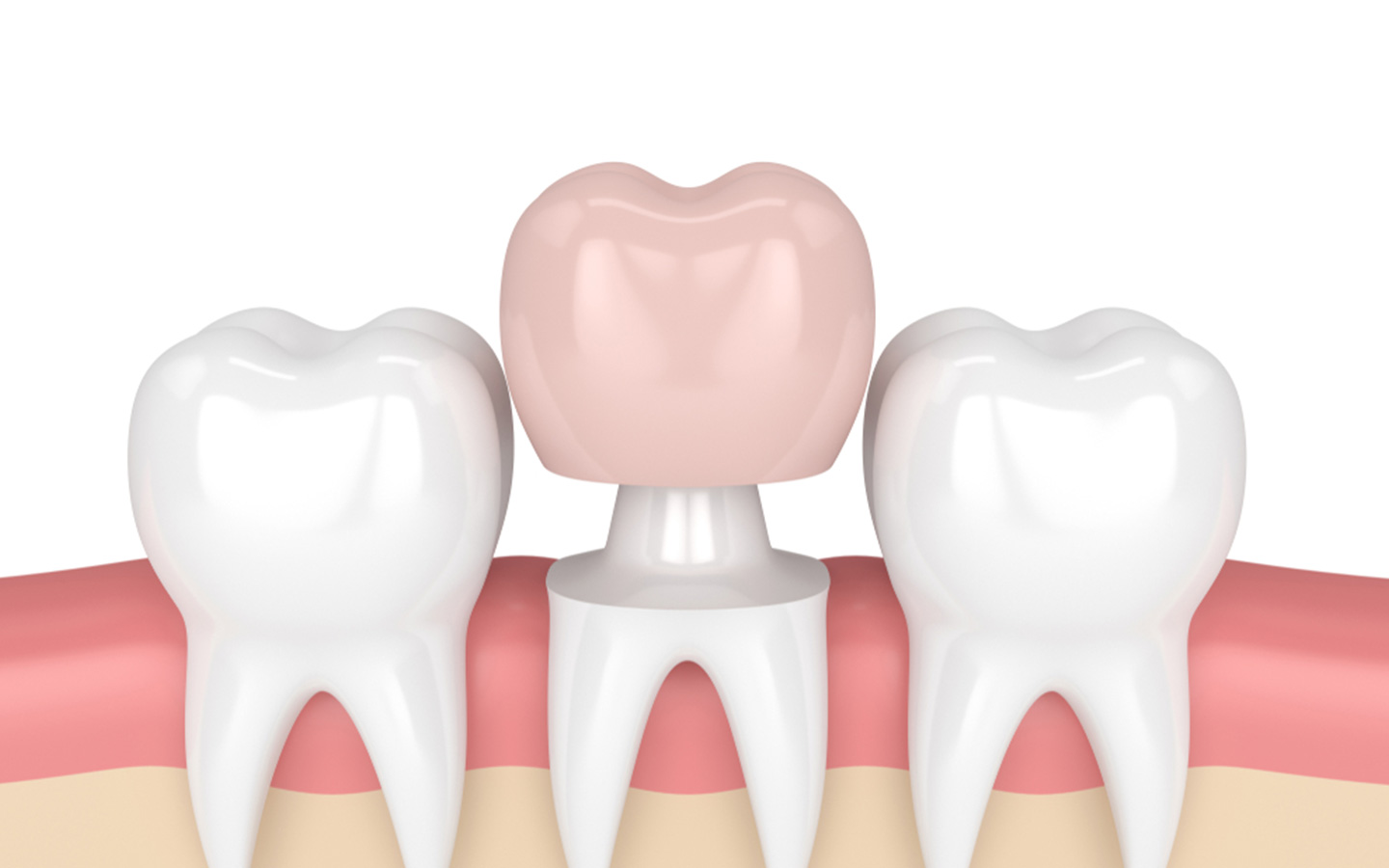
If I recommended a crown, a filling would not last on that tooth. A crown covers the whole tooth so your child can chew on it until the baby tooth is ready to fall out on its own. That is the whole decision. Size of the hole, leftover walls, and whether the nerve was involved.
Why a Baby Tooth Still Gets a Crown
Parents say this to me every week, and I get why it sounds backwards. The tooth is coming out anyway, so why restore it. Back baby molars often stay until age 10, 11, or 12. That is years of chewing, holding space for the permanent tooth underneath, and helping speech. Pull that molar too early and the neighbors drift into the gap. Then we are looking at crowding that did not have to happen.
Front baby teeth come out sooner. I still crown a front tooth when it is broken or decayed enough that a filling will not stay, because kids use those teeth to bite and to talk, and because a black broken incisor is miserable for a four-year-old at preschool. The question is never “will this tooth fall out someday.” It is “does this tooth still have a job for the next few years.”
When a Filling Is Enough and When It Is Not
Small cavities do great with a tooth-colored filling. I place those all the time. Once decay has eaten through a lot of the tooth, or the cavity wraps around the sides, a filling has too many edges. Food and bacteria work those edges. The filling chips. You are back in my chair, and the tooth is weaker the second time.
A crown covers the whole visible tooth, so there is one seal instead of a patch. Pediatric dentists also use the American Academy of Pediatric Dentistry pediatric restorative dentistry guidance to decide when a filling will last and when the tooth needs a full-coverage crown. If you are seeing dark spots, a hole, or sensitivity when they drink something cold, those are the same warning signs I walk through when I write about the signs your child has a cavity. Cavities in children still grow fast on baby molars. Waiting on a large cavity does not save you a crown. It often turns a filling visit into pulp therapy plus a crown.
After a Baby Root Canal
Sometimes the decay has already reached the nerve. The tooth hurts, or an x-ray shows the pulp is involved. We can often save it with a baby root canal, also called a pulpotomy. I remove the inflamed pulp, keep the root, and then that tooth needs a full cover. A filling on a tooth that just had pulp therapy is a weak plan. The walls are thin. Chewing finishes what the cavity started. That is when I reach for a crown, not as an upgrade, as the restoration that actually holds.
We also crown a tooth after a knock that cracked it, or when enamel formed poorly and the surface keeps breaking even with careful brushing. Those are less common than big cavities. Same logic: leftover tooth has to survive years of lunch.
The Crown We Place at Kids Mile High
Parents Google stainless steel versus white zirconia before they sit down with me. Fair. A lot of pediatric offices still use silver stainless steel caps on back molars because they are fast and tough. At Kids Mile High, after pulp therapy we restore the tooth with a NuSmile zirconia crown. It is white, metal-free, and built to last until the baby tooth is ready to go. It looks like a tooth. Kids care about that. So do you.
We still do composite fillings when a filling is the right restoration. That lives on our restorative dentistry page next to pulp therapy. Crown versus filling is a size and strength decision. I will show you the x-ray and the leftover walls. You should be able to see why I picked one or the other.
What the Visit Is Like
I numb the tooth, take out the decay, shape what is left, and seat the crown in the same visit when your child can sit for it. For decay removal we can often use WaterLase laser dentistry instead of a drill. It is quieter. A lot of kids need less sleepy juice. If your child is very young, very scared, or we have several teeth to restore, we talk about sedation dentistry for kids before we start, not after they are already in the chair.
The new crown can feel proud for a day or two, like a new shoe. Soft food that first evening is enough. Brush it. Floss next to it. The crown stays until the baby tooth is ready to wiggle out. We look at the edges at every recall. If a piece of the gum is unhappy around a new crown, we clean it and watch it. That is usually a brushing angle, not a failed crown.
Questions Parents Ask Us
Will the crown fall out with the baby tooth?
Yes. The crown is cemented to the baby tooth. When the root resorbs, the tooth and the crown come out together. You do not need a separate visit to take the crown off.
Does a white crown stain?
It can pick up a little color around the edge if brushing gets sloppy, the same way a natural tooth does. It does not rust. Keep the fluoride and brushing routine we already set.
Can they eat on it tonight?
Soft dinner the first night. By breakfast they can chew on that side. If something feels high, call us. A high spot is a two-minute adjust, not a redo.
What if it comes off?
Rare. Call the same day. Bring the crown if you still have it. Do not use drugstore glue. We recement it or replace it.
Is this overtreatment?
I would rather you ask me that in the room than Google it at 10 p.m. and spiral. If a filling will hold, I place a filling. I do not crown a tooth to look busy. I crown it because the remaining walls cannot keep a filling until that baby tooth is done with its job.
Englewood, Central Park, and Thornton
I do this work at all three offices. Englewood, Central Park on the Denver side, and Thornton. Same restorative playbook, same zirconia crowns after pulp therapy. If this is your child’s first time in our chairs, start with how we run a first dental visit, then we will map the crown versus filling plan on the x-ray in front of you.
If You Just Heard Your Child Needs a Crown
Bring the x-rays if another office diagnosed it. I will look with you, not past you. Most of the time the recommendation stands because the cavity is large or the nerve was involved. Sometimes we can still fill it. You leave knowing which, and why, before anyone picks up a handpiece.